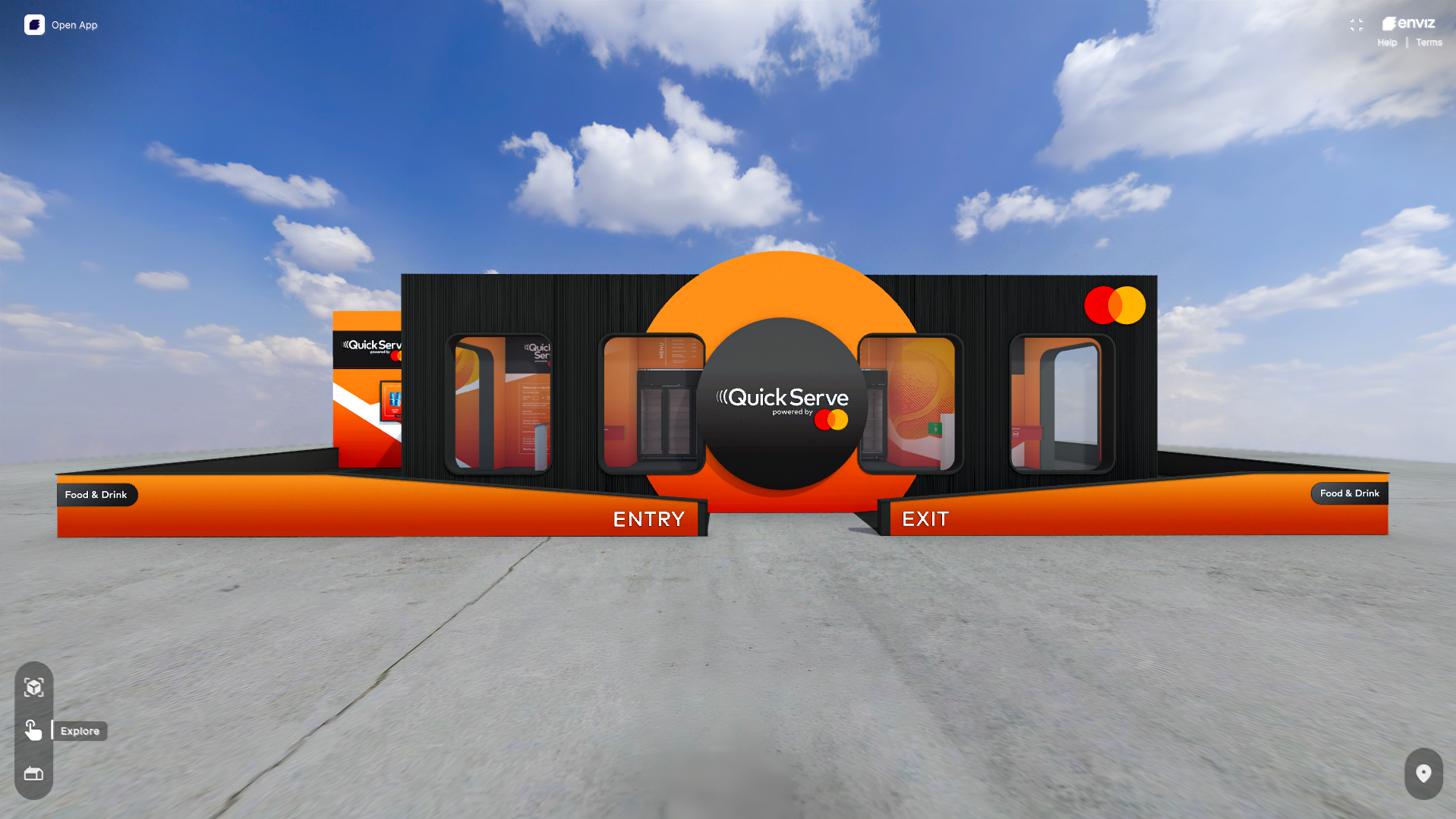
One of the most challenging parts of event and brand activation design has always been asking stakeholders to imagine a space from a plan. Even the strongest render still requires interpretation.
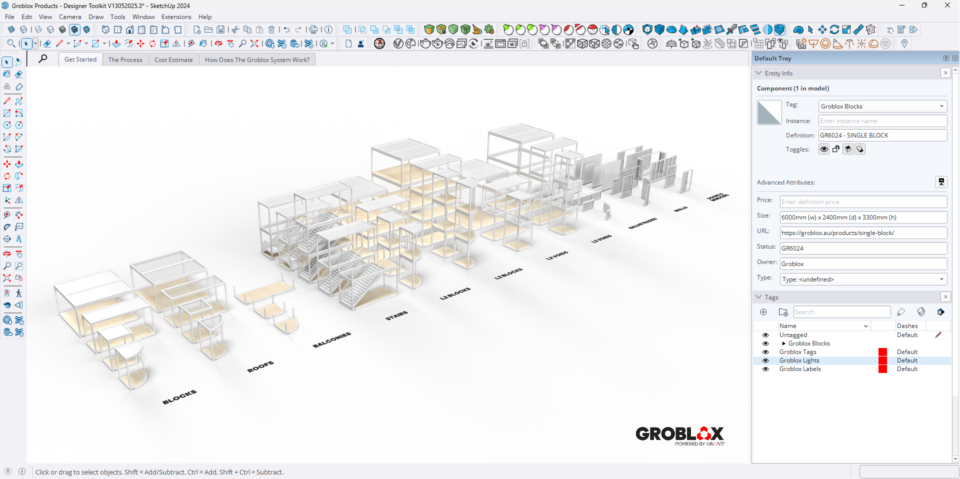
That is where the partnership between Maake, Groblox and Enviz is leading the way. Together, they are integrating virtual reality and spatial design into the everyday workflow of event and brand activation planning. The intention is not to replace traditional tools such as mood boards, CAD drawings or renders, but to add a spatial visualisation layer that strengthens decision making.
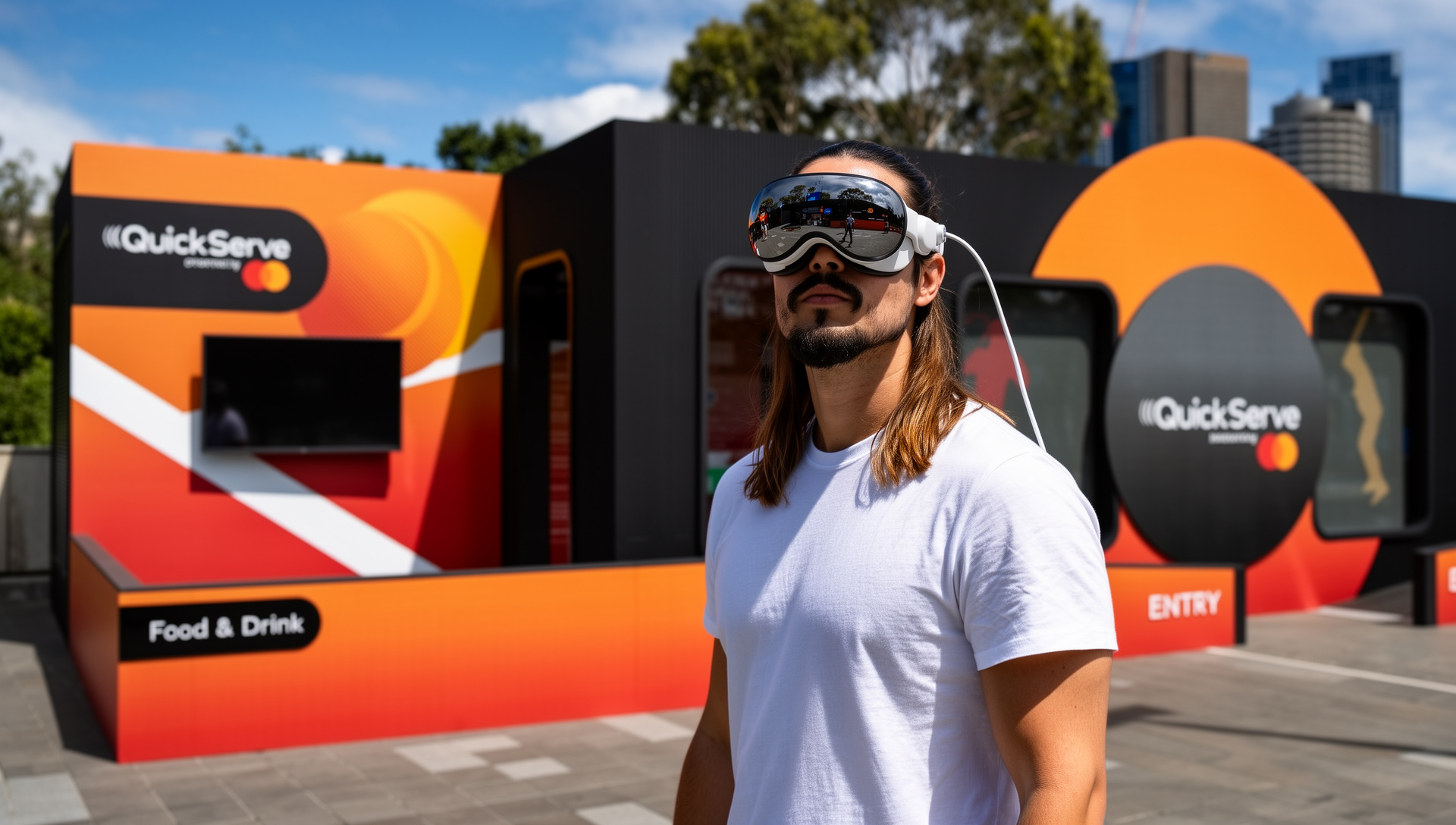
Designing in VR allows stakeholders to step inside a project while it is still in the conceptual stage. It becomes easier to understand scale, consumer flow, engagement zones, sightlines, camera arcs, signage placement and even small set dressing details. Conversations shift from assumption to shared experience because everyone has walked the same environment.
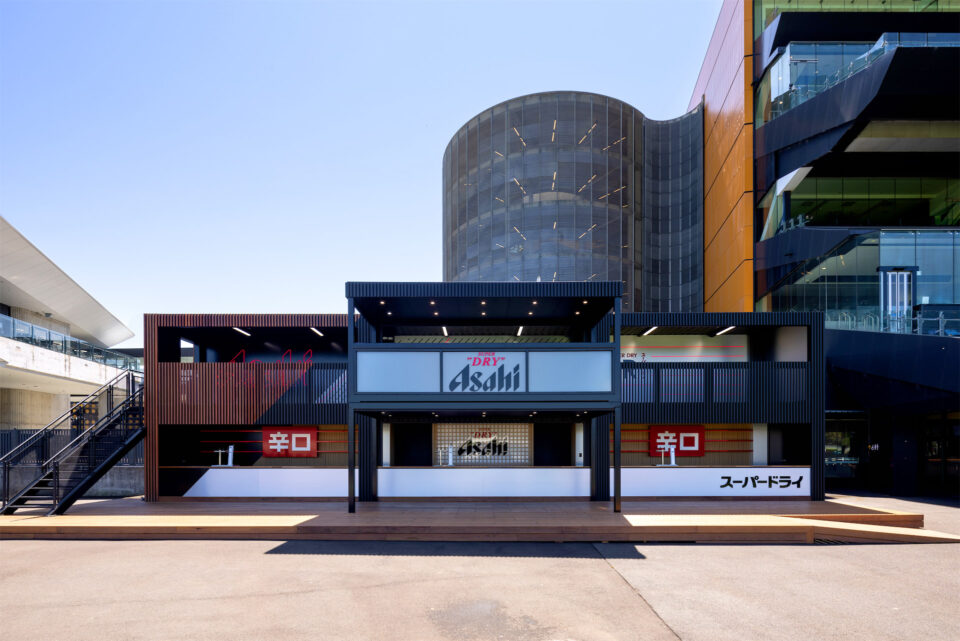
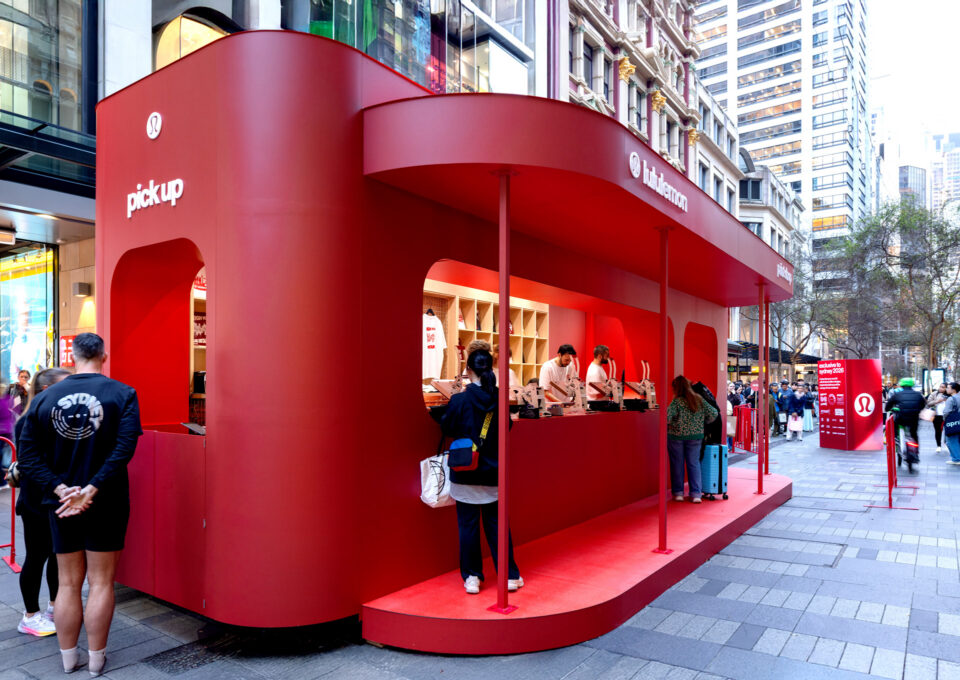
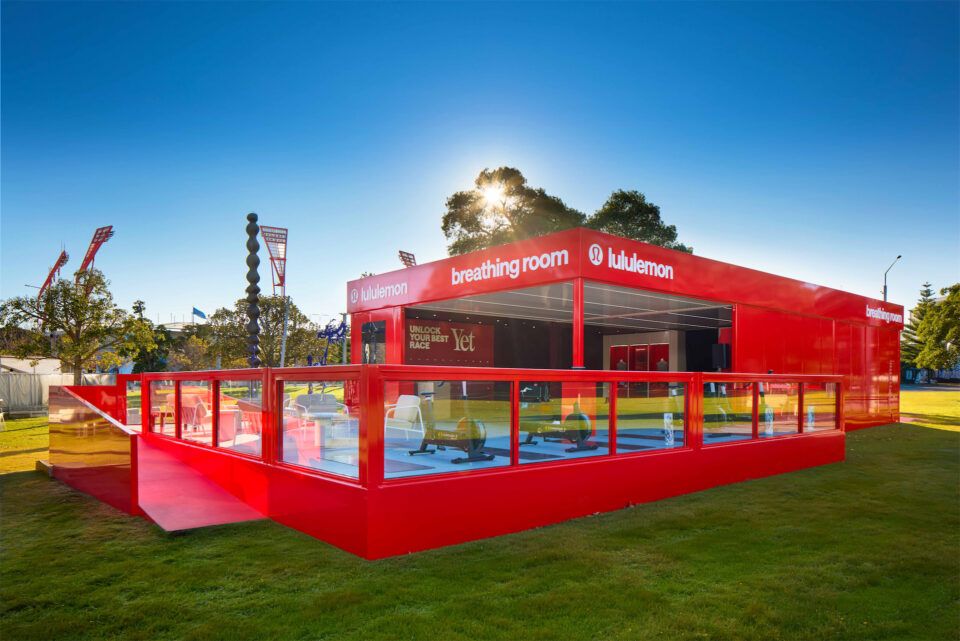
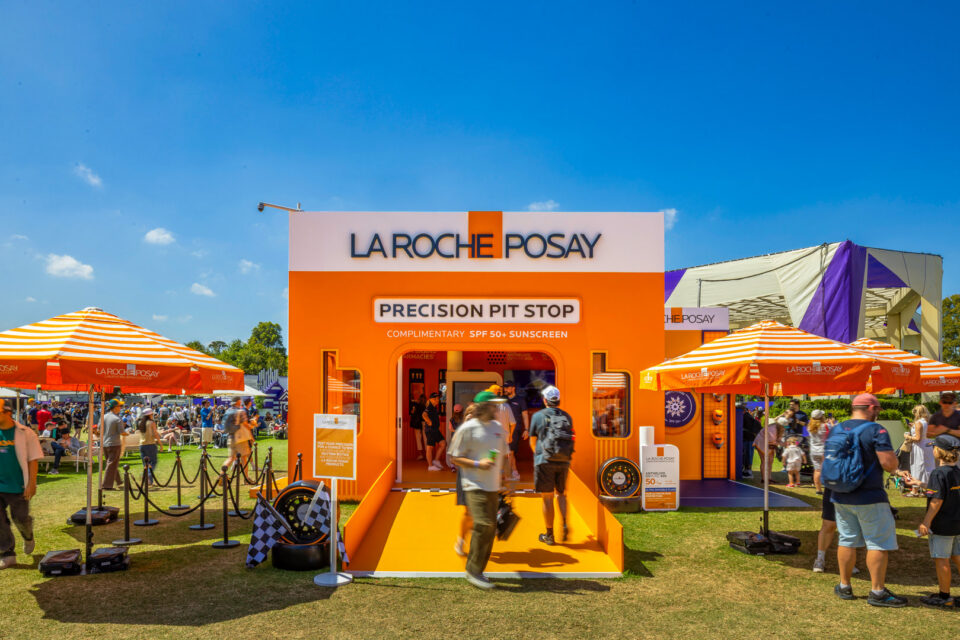
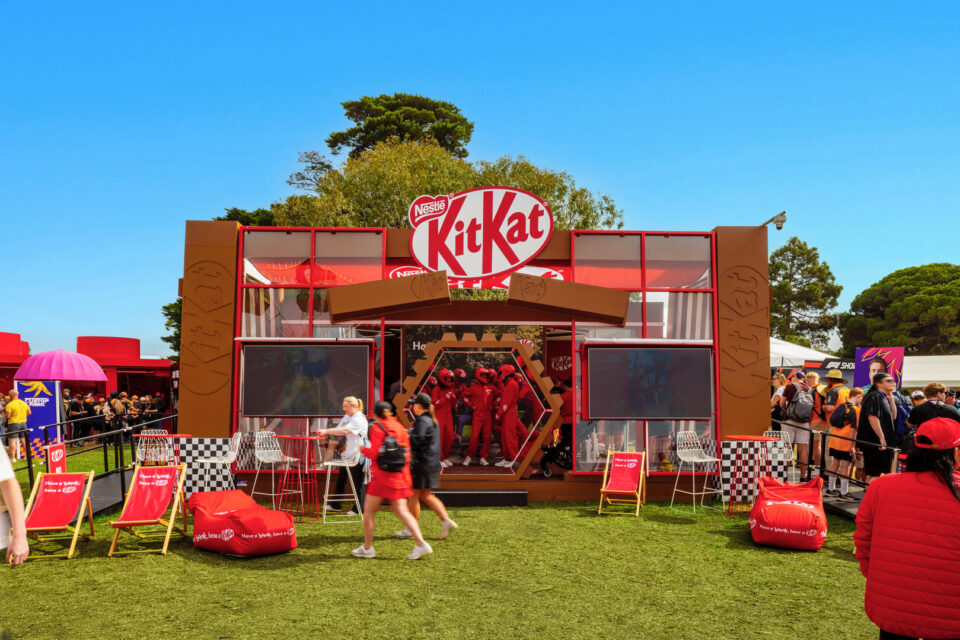
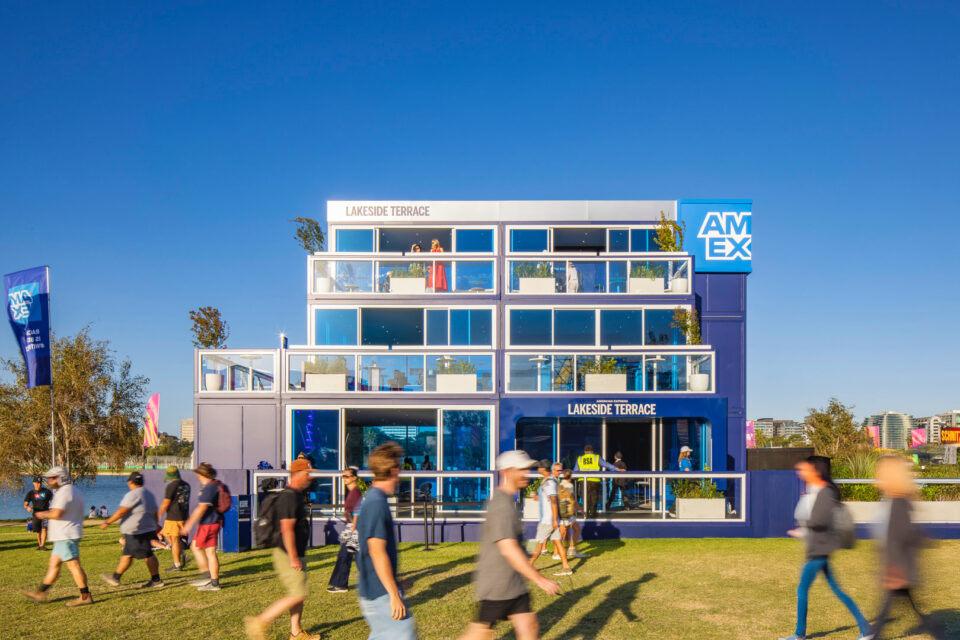
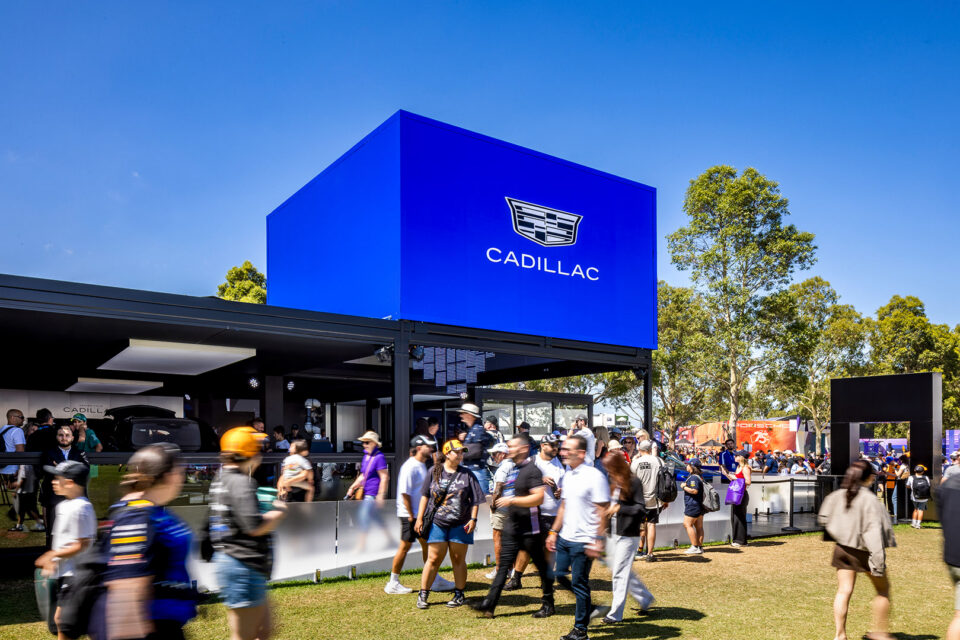
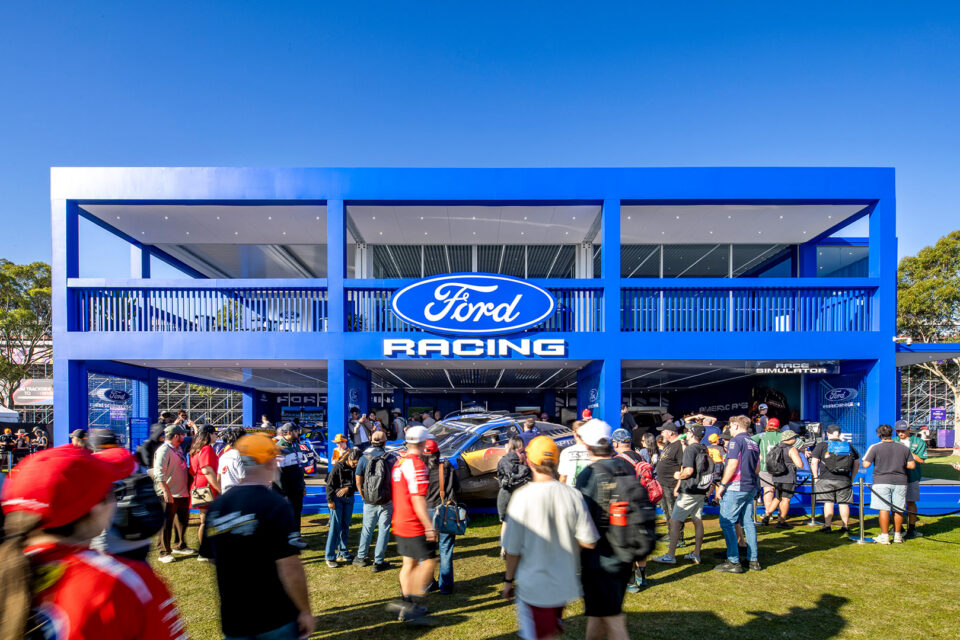
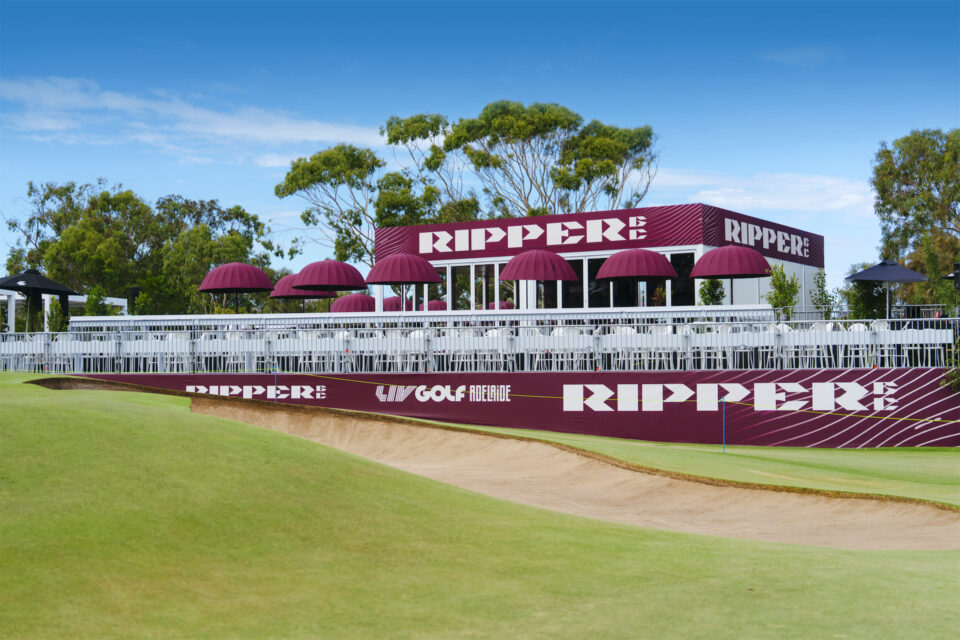
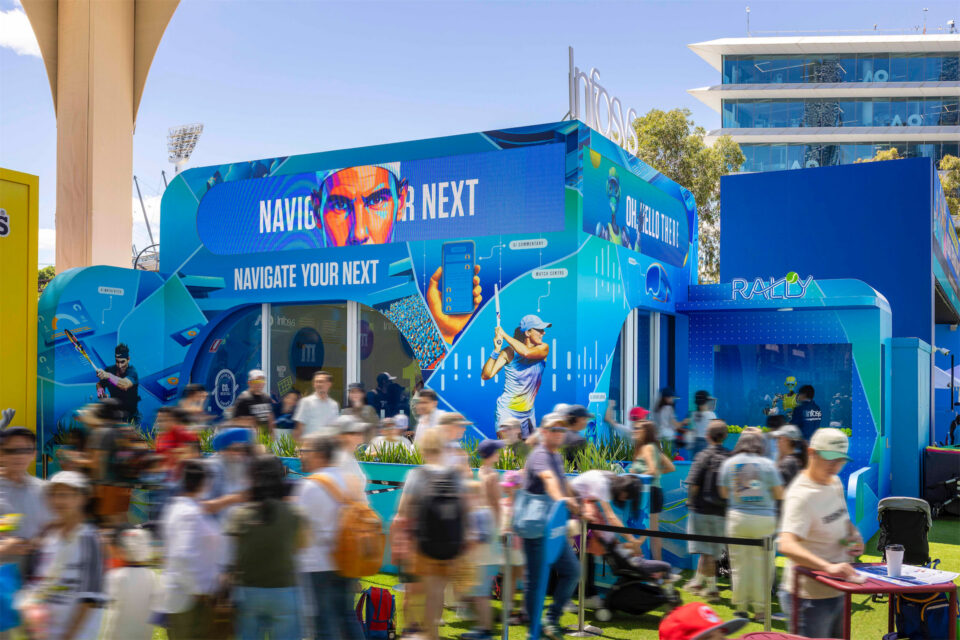
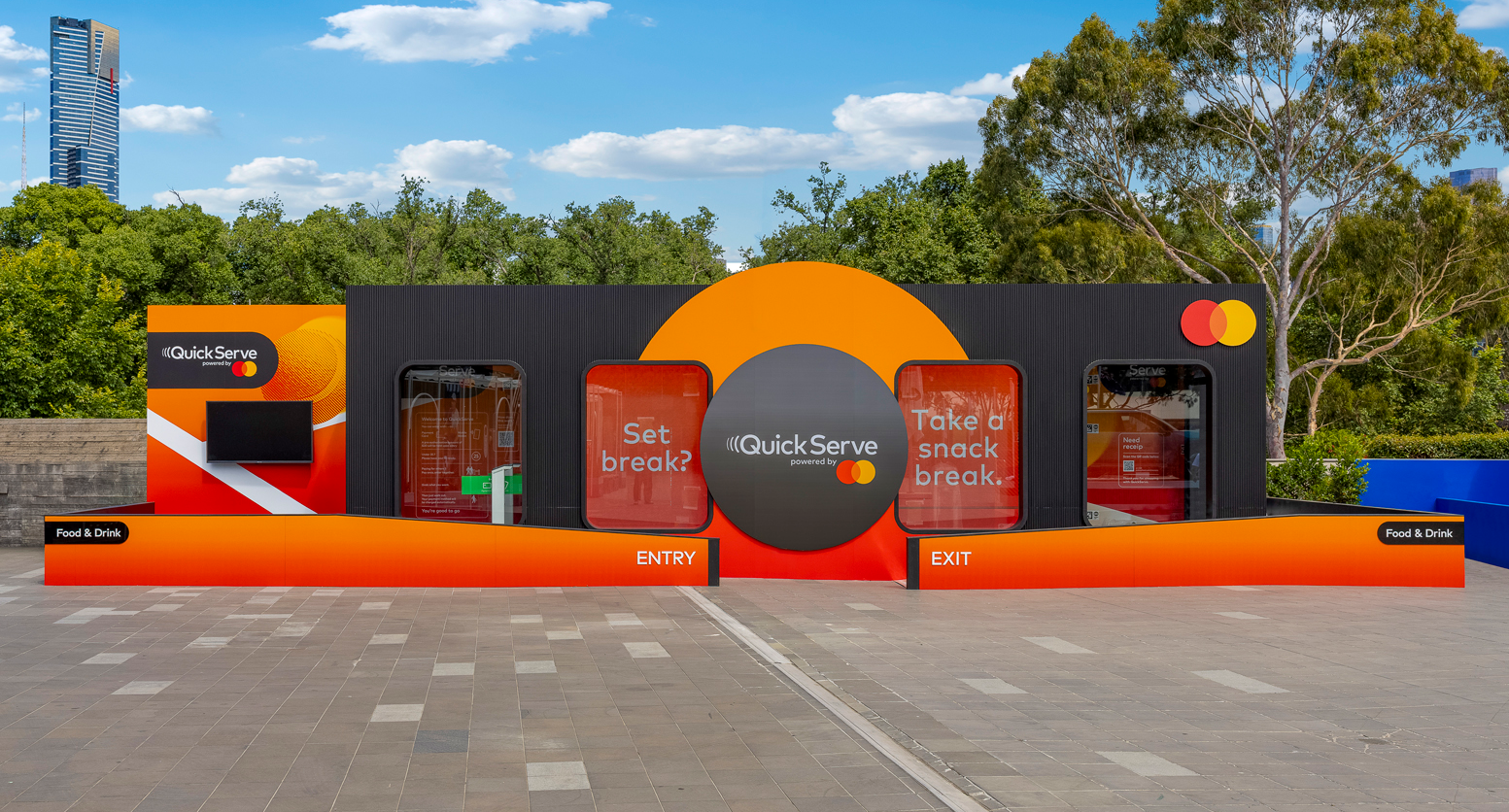
The partnership has already rolled this out on major projects including the Australian Open and the Australian Grand Prix, along with brand activations such as Mastercard QuickServe and Lion builds. Entire precincts and modular structures have been reviewed and signed off in VR months before construction begins.
Beyond design alignment, the trio also see VR playing an important commercial role. For commercial managers and partnership teams, stepping a potential sponsor inside a future space changes the conversation. Rather than presenting through slides, teams can invite partners to experience the opportunity. They can demonstrate brand integration moments, hospitality flow, camera exposure and sponsor adjacencies in context. This clarity builds confidence and ultimately helps potential partners experience the shared vision.
“I’ve worked in 3D design and rendering for almost twenty years, and VR is the first thing in a long time that genuinely changed how I think about presenting ideas,” says Agency Director Manu Whatarangi. “The first time I stepped into a project in VR, I knew straight away it was something worth sharing. VR brings curiosity back into the room. People explore, ask questions and engage in a different way.”
One of the strengths of the Enviz platform is accessibility. Whether someone joins through a headset, desktop or mobile device, they can step into the same environment together. This makes collaboration easier across cities and countries, turning spatial design into a shared working session rather than a presentation.
“Whether it’s a residential project, a premium development, major event or brand activation, the challenge is always the same,” says Michael Shaw, CEO of Enviz. “People need to understand the space early enough to make good decisions. VR gives teams that clarity, while AI supports iteration once everyone is aligned.”
Within the same environment, Enviz AI supports design evolution. Mood boards, reference imagery and prompts can be layered into the space as ideas develop, allowing teams to refine materials and finishes in real time.
At its core, this partnership is about alignment. Maake, Groblox and Enviz share a vision of building better events and better products for every stakeholder involved. VR is one of the tools introduced to the industry over the past twelve months, and the industry response has been strong. It is only the first step in a wider roadmap focused on smarter collaboration and stronger outcomes for everyone involved.